
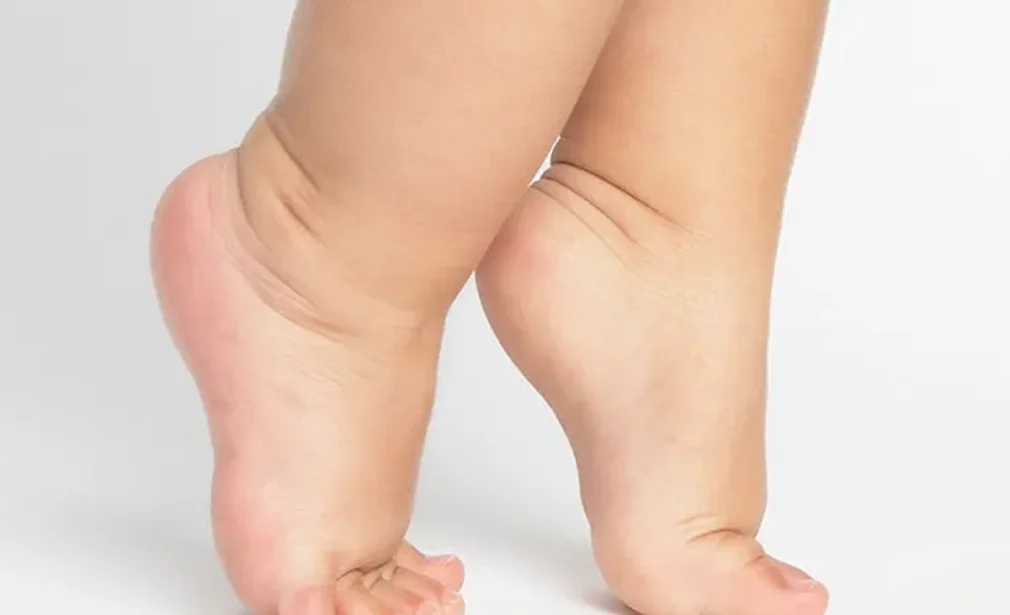
When toddlers first learn to walk, they experiment with different foot positions. Walking on tiptoes occasionally is a normal part of developmental gait experimentation between the ages of 1 and 2. However, if a child continues to walk on their toes consistently after the age of 3, it warrants clinical attention. This condition is often referred to as Idiopathic Toe Walking (ITW).
What is Idiopathic Toe Walking?
"Idiopathic" means the exact cause is unknown. ITW is diagnosed by exclusion — meaning it is only diagnosed after other medical conditions (such as cerebral palsy, muscular dystrophy, or autism spectrum disorders) have been ruled out by a specialist. Children with ITW are capable of walking flat-footed when asked, but habitually revert to walking on their toes.
When Should You Worry?
Parents should schedule an orthopedic evaluation if their child exhibits any of the following:
- Walks on toes more than 80% of the time after age 3.
- Cannot physically stand flat-footed with heels touching the ground.
- Complains of pain in the feet, calves, or ankles.
- Trips or falls frequently due to toe walking.
- Begins toe walking suddenly after previously walking normally.
Treatment Options
Treatments aim to stretch the calf muscles and Achilles tendon to allow a normal heel-to-toe gait. Depending on severity, options include:
1. Physical Therapy & Stretching Exercises
For mild cases where the joints are still flexible, a home exercise program focusing on calf stretches and heel-walking exercises can successfully resolve the habit.
2. Serial Casting
If there is mild muscle tightness, the orthopedic surgeon can apply a series of plaster casts (walking casts) for 4 to 6 weeks. Every 2 weeks, the casts are changed to stretch the calf muscle slightly more, gradually restoring a flat-foot position.
3. Orthotic Braces (AFOs)
Ankle-Foot Orthoses (AFOs) are custom-molded plastic braces worn inside the shoes. They physically prevent the child from rising onto their toes, retraining the gait pattern over several months.
4. Surgical Release (For Severe Tightness)
In older children (typically age 5+) who have developed a fixed contracture where the heel cannot touch the ground, a simple surgical procedure to lengthen the tight Achilles tendon (tendon Achilles lengthening) may be recommended, followed by casting.